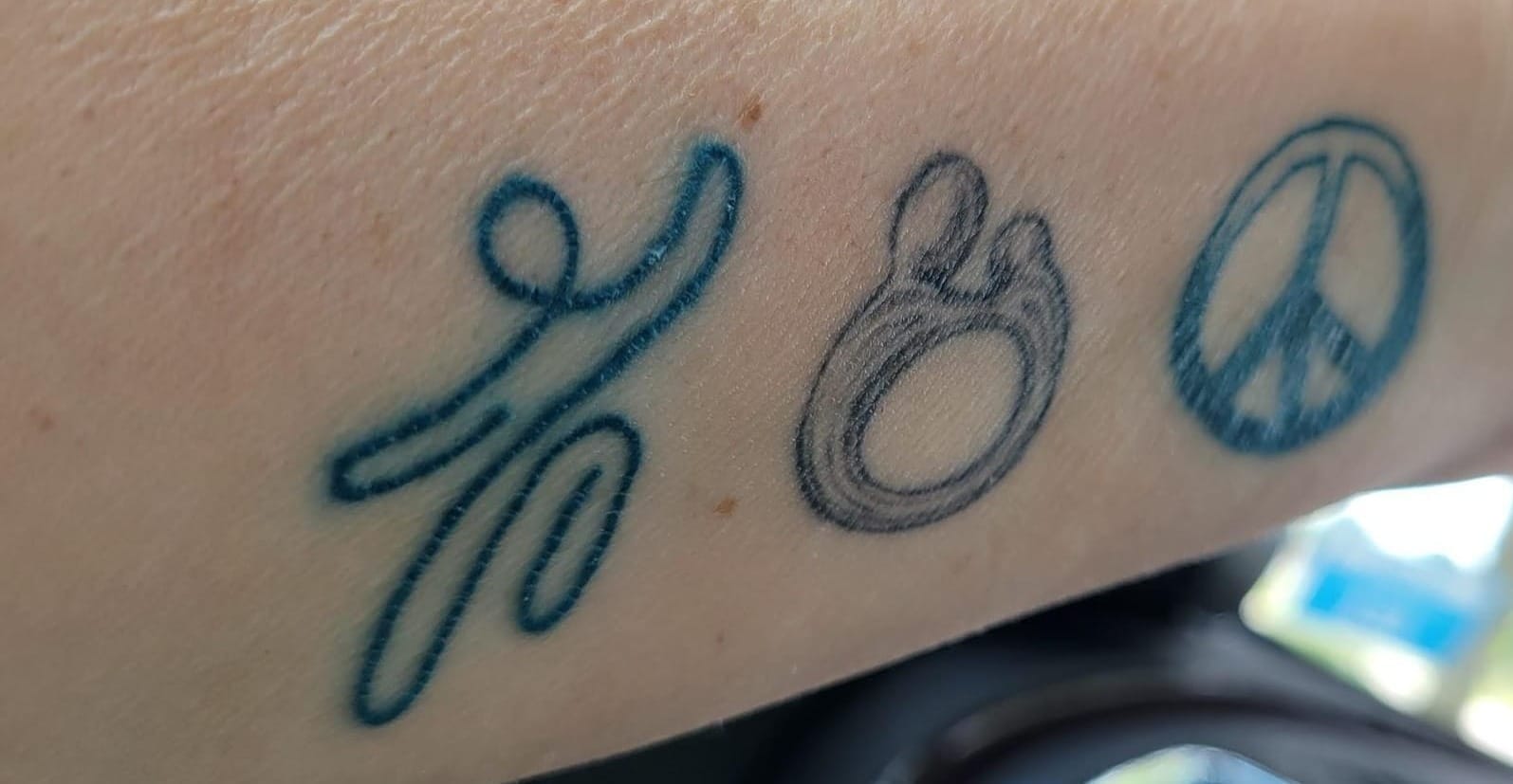
Attunement: God Thoughts with Nani Aruna and Achea Redd June 2026
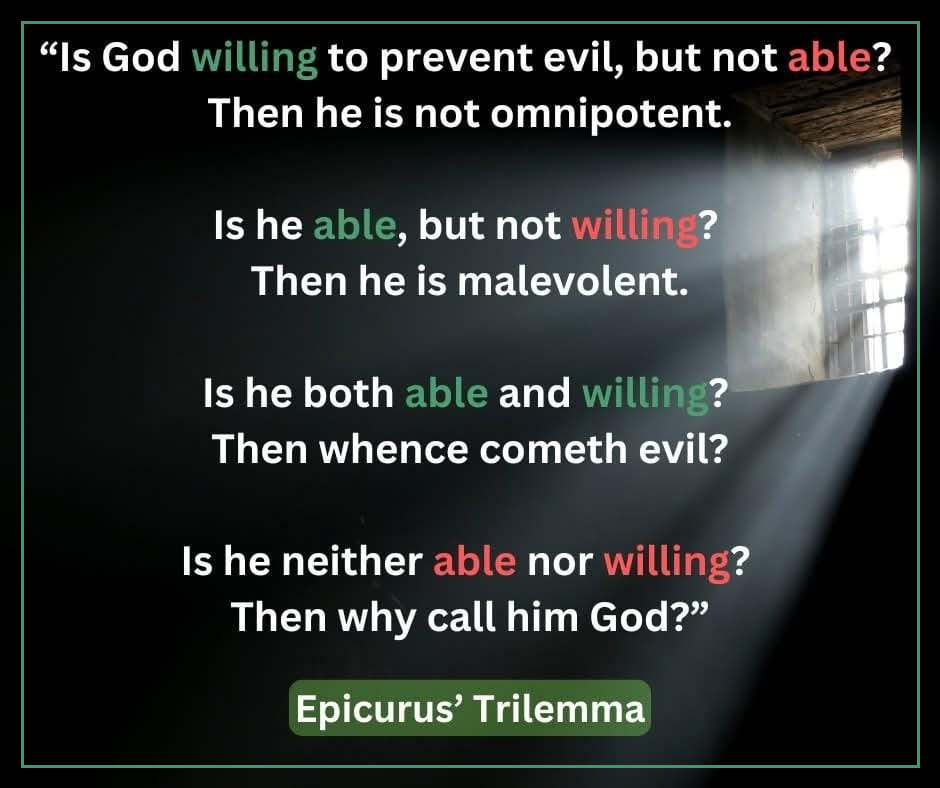
This July 7th, Achea Redd’s book, Divorcing Religion, Finding God, will debut. She interviewed me for chapter seven and since that, in May 2025, I have been reassessing my relationship to all things considered “divine” and find myself trying to be more gracious to others, yet ever more convinced of my atheism. Epicurius’ Trilemma pictured here gets to the root of it for me. My devotion to Humanism is only growing, too, as I have seen humans do some pretty wonderful things for each other.
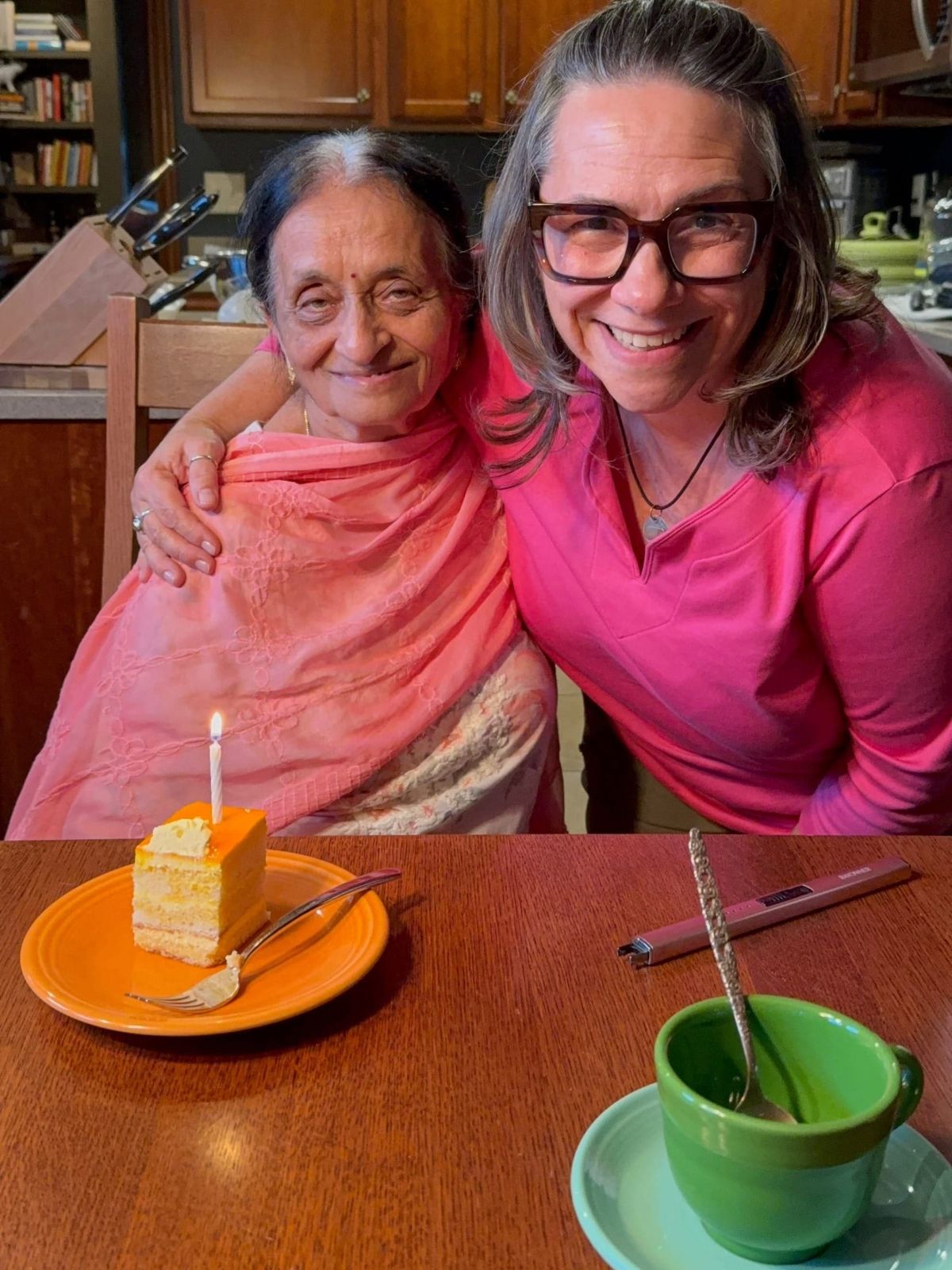
This week, I was gifted with spending time with a former students’ grandmother. Aruna Chabu is here from India and we visited once at grandson, Prabhat Kumar’s, family’s home, then later went to lunch at Malhotra’s Indian Oven in downtown Columbus and walked the Scioto Mile for a bit. Nani Aruna is a woman of faith. Prabhat’s Sikh funeral ceremony was where we met. She spoke frequently of how god shapes her strength–she even ended our last visit stating that I was “the god she needed” during her family’s troubling times–that our conversations led her to speaking honestly and freely without judgement. That her deepest heart could be expressed while she grieved and sorted complicated emotions over Prabhat’s untimely passing. She lamented that so many people get caught up in the rituals of religion over the feelings of peace and resolve and patience that divine thought–immersion of belief–should bring. God moves through everything she does. Shapes all of her thoughts, though admittedly putting “knowledge into application” is difficult. She listens to what is presented to her, and sees god moving in and through everything. And everyone.
While listening to her grieve Prabhat’s passing; calibrating her relationships as his Naniji (maternal grandmother) to her daughter, granddaughters, and son-in-law, she realized her limitations and gifts. She frequently stated how she wanted to provide solace, but that her agenda was not their agenda and until they were ready to find peace, or accept her comfort, she had to be still, reflective, and be solely “present” and often silent. Her reflection inspired me to think about the times I, too, have often wanted to “hasten the harvest” and pull at sprouts yet too tender--to ask for something, someone, to be ready for what I needed rather than accept them for where they are. This attunement: Divine listening, by Nani Aruna’s account, is essential. But takes grace and patience for others’ pathways. A respect for, and accreditation of, our shared humanity.
Having had some of my pathways dictated to me, misdirected, or assumed, has caused trauma, as Achea focuses on in her book. Trauma is an intense description. But accurate. My upbringing in an often rigid, Catholic household and parish, caused me to be performative at times when I wish I hadn’t been. To not live the life I wanted, but to please others for religion’s sake, and beyond: the sake of my role as an educator, mother, daughter, friend–less traumatic, but no less real. For awhile now, I have been saying “my wings have been clipped” a graphic, physical description of my voice and will sacrificed for others. Choices are often made for us–I know I am not alone or special here.
Like Nani Aruna said, we can all be the conduit for god. I choose to believe that that role is real, but not supernatural. Divine in the sense that it takes disciplined attunement to others’ authentic selves and their chosen paths–and to our own, simultaneously, ESPECIALLY when out of alignment with those whose paths intersect ours. Choosing to not engage in discord, but respect for their way. Seeing their struggle as ours. This is not fiction. This is not supernatural. This is of this world. This mutuality is achievable BECAUSE we are human. Because we can truly see each other in each other. The very definition of “Namaste”.
This is what being a Humanist means to me. Achea is right, in divorcing religion we can find god. My “god” is in everyone around me. From my elbows to my fingertips, I tighten that radius to be fully present and work to make my known world a better place. Though I know I am not always perfect at it. The power to be fully human lies in our humanity itself.
Namaste, Nani Aruna. You are love and light. I am grieving Prabhat’s passing with you. I see you in this grief. I see you in your recounting the joy at hearing his voice say your name. I say your name: Nani Aruna. And I am grateful you are my god, too.